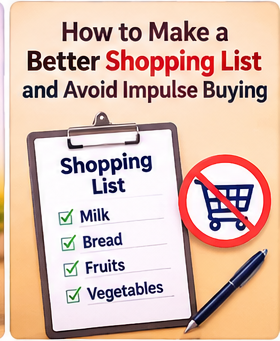
Shopping is a regular activity, but purchasing too many unnecessary products can lead to overspending. A shopping list is a simple tool that can help customers stay organized, remember essential products, and make better purchasing decisions. Creating a list before shopping can make the entire experience more focused and efficient.
Why a Shopping List Is Important
A shopping list helps you identify the products you actually need before visiting a store or browsing online. It can reduce unnecessary purchases and make shopping easier by keeping your attention on essential items.
1. Check What You Already Have
Before creating a shopping list, check your home, kitchen, wardrobe, and storage areas. You may already have products that you do not need to purchase again. This can help prevent duplicate purchases and save money.
2. Organize Products by Category
Organizing your shopping list into categories can make shopping more convenient. You can separate groceries, household items, clothing, personal care products, electronics, and other purchases. This helps you prioritize items and manage your shopping more effectively.
3. Set a Spending Limit
Decide how much money you can spend before shopping. A spending limit can help you control expenses and avoid purchasing products outside your budget. Keep track of your cart total when shopping online.
4. Understand Impulse Buying
Impulse buying happens when customers purchase products without planning, often because of advertisements, attractive discounts, recommendations, or emotional decisions. These purchases may not always be useful and can increase spending unnecessarily.
5. Wait Before Purchasing Unnecessary Items
If you find a product that you did not originally plan to buy, take some time to think about it. Waiting before purchasing non-essential products can help you decide whether you genuinely need the item.
6. Compare Products Before Buying
Compare different products according to price, quality, features, reviews, and usefulness. This can help you choose products that provide better value and avoid spending money on items that do not meet your expectations.
Benefits of Creating a Shopping List
- Helps remember essential items.
- Reduces unnecessary purchases.
- Makes shopping more organized.
- Helps control spending.
- Saves time during shopping.
- Encourages better purchasing habits.
Common Shopping List Mistakes
- Creating a list without checking existing items.
- Adding unnecessary products.
- Ignoring the budget.
- Purchasing items because of discounts.
- Not comparing products before buying.
Final Conclusion
Creating a shopping list is one of the simplest ways to become a more organized and responsible shopper. By checking existing products, planning purchases, setting a budget, and avoiding impulse buying, customers can save money and reduce unnecessary expenses. A well-planned shopping list can make everyday shopping easier, more efficient, and more affordable.